Performance bonds have a reputation as a construction-only tool, a safeguard for owners hiring general contractors to build bridges, hotels, or schools. That reputation leaves money on the table. Many service buyers, from city utilities to enterprise IT departments, carry significant delivery risk that can be transferred and priced using the same surety mechanisms the construction industry has refined for a century. When scoped and drafted correctly, performance bonds for service contracts make timelines real, raise the caliber of bidders, and give procurement teams an enforcement tool that outlasts tough conversations and sternly worded emails.
What a Performance Bond Actually Does
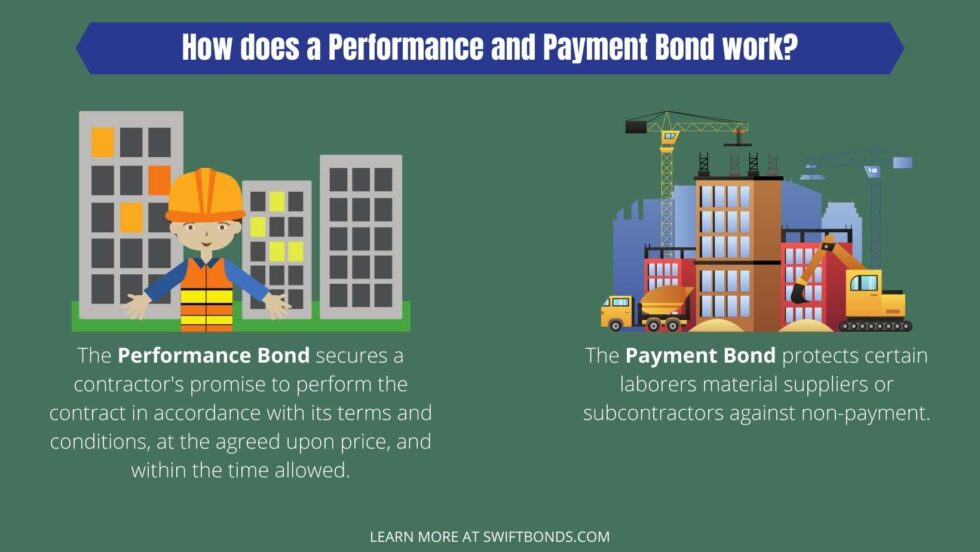
At its core, a performance bond is a three-party agreement. The service provider (principal) promises the buyer (obligee) to perform the contract. A surety company underwrites that promise and issues the bond, agreeing to step in if the principal defaults. The bond does not replace the underlying contract. It guarantees the principal’s performance up to a stated amount, usually expressed as a percentage of the contract price.
If the service provider fails to deliver and the buyer declares a default under the contract, the surety triggers one of several remedies: finance the principal to finish, hire a replacement contractor, tender a completion contractor for the buyer to accept, or pay the buyer up to the penal sum to cover completion costs. In practice, sureties prefer to finish work rather than write a check, because finishing often lowers their total exposure.
Construction uses this tool daily. The same logic applies when the work is a five-year IT managed service, a citywide janitorial contract, a third-party logistics arrangement for seasonal peaks, or a complex equipment maintenance program. In each case, the buyer faces operational harm if the provider stumbles. A performance bond adds a second pocket and a professional completion mechanism to the deal.
Where Service Buyers Feel the Pain
If you have lived through a provider collapse, you know the pattern: slipping service levels, excuses, missed KPIs, staff turnover, and then a scramble to keep the lights on. You burn weekends patching a transition, overpay for emergency replacements, and still answer to stakeholders about outages or missed deadlines. The total cost is not just an invoice delta, it is reputational damage and opportunity cost.
I once worked with a municipal utility that outsourced call-center operations. The vendor promised 80 percent of calls answered within 20 seconds. Six months in, the actual figure hovered around 55 percent, and customer complaints hit the city council docket. The city had penalty clauses, but extracting a few thousand dollars per month did not fix the queue. What turned the tide was the leverage a bond provided in the renewal. The next award required a 30 percent performance bond tied directly to service levels, with an option to escalate to replacement if cure plans failed. Service stabilized, not because the city collected on the bond, but because the vendor rebalanced staffing to avoid default. The bond stiffened the spine of the contract.
Why Performance Bonds Make Sense Beyond Construction
Service delivery has three characteristics that translate well to bonding.
First, completion matters as much as price. A cheap help desk is expensive if it craters during a cyber incident. Second, service contracts often have asymmetric information. Buyers cannot observe a provider’s internal cash strain until it spills over into missed KPIs. Surety underwriting forces a second set of eyes on the provider’s financial health before the award. Third, substitution risk is real. Even generic services take time to replace. A bond provides a funded path to bridge that gap.
The market has already started to reflect this. Public-sector solicitations for custodial, security, IT managed services, and road maintenance increasingly require bonds. Private enterprises add them to critical logistics and field-service contracts, particularly where outages result in lost revenue measurable in hours, not months.
How Underwriters View Service Risk
Sureties do not treat all service contracts alike. Underwriting focuses on predictability of cost, complexity of delivery, and leverage.
Predictable, labor-heavy services with steady volumes, such as janitorial or groundskeeping, are straightforward to underwrite. The cost drivers are wages, supervision, supplies, and a reasonable profit. A provider with tight scheduling and clean payroll records can secure a bond at modest rates.
Complex, variable-scope services pose more difficulty. Think multi-year IT transformation with managed operations, or outsourced maintenance of specialized equipment across dozens of sites. Scope creep, dependency on third-party software, and integration challenges increase the chance of disputes, which translate into bond claims. In these cases, underwriters push for clearer performance metrics, milestones, and right-size bond percentages.
Leverage matters too. A provider relying on short-term borrowing to meet payroll is a red flag. Sureties review financial statements, backlogs, bank lines, and project-level cash flows. For recurring services, they look at customer concentration, attrition rates, and the firmness of pricing relative to inflation in wages and materials.
When sureties hesitate, it is rarely because service work is “not bondable.” It is because the contract makes performance hard to measure or control. That is fixable with better scoping.
Right-Sizing the Bond
If you ask for a 100 percent performance bond on a service contract, expect either a higher price, a narrower vendor pool, or both. The goal is not to eliminate risk completely. It is to cover realistic replacement costs and provide meaningful leverage.
Most service buyers land in the 10 to 50 percent range, depending on complexity, time to replace, and the cost of service disruption. For a three-year janitorial contract with stable volumes and quick replacement options, 10 to 20 percent often suffices. For a single-source IT operations contract where a failure could take an e-commerce site offline, 30 to 50 percent is common, sometimes paired with liquidated damages calibrated to downtime.
Another lever is duration. A multi-year service agreement can use a bond that renews annually with a cancellation notice period, often 30 to 60 days. Some buyers accept automatic reduction in penal sum as milestones are achieved or assets are transitioned, similar to retainage in construction. In long-term maintenance contracts, the bond can step down year by year as equipment is upgraded or as measured reliability is proved.
Drafting Service-Appropriate Bond Language
Off-the-shelf construction bond forms assume a defined scope of work, a schedule, swift bonds for trading and a binary finish line. Service contracts need more nuance. The bond should match the performance regime in your master services agreement.
Focus on three elements. First, what constitutes default. Tie it to sustained failure to meet KPIs after formal cure periods, insolvency, or abandonment. Avoid vague triggers like “unsatisfactory performance” without metrics. Second, the remedies available to the surety. Allow financing the existing provider, tendering a replacement, or paying completion costs. Specify how service continuity will be maintained during transition. Third, the claim process and timelines. Once a default notice is issued, the surety needs time, typically 15 to 30 days, to investigate. In time-sensitive services, consider a shorter preliminary response window with an interim support requirement.
Two practical details help in disputes. Name a realistic contact path at the surety, not just a general mailbox. And require the provider to pre-approve a transition plan that the surety can use if they must step in. That plan does not need to give away secrets. It should at least cover data handover, credential transfer, and minimum staffing.
Tying Bonds to Service Levels Without Overcomplication
Service contracts live on KPIs. The challenge is to translate a sea of metrics into bond-relevant obligations. Keep the bond tied to the critical few indicators that define success or failure.
For a help desk, first response time and resolution SLA adherence carry more weight than a dozen soft measures. For security services, post coverage and incident response times dominate. For facilities maintenance, preventive maintenance compliance and time-to-repair for priority systems drive building health. Pick targets that are observable, auditable, and not easily gamed.
Avoid turning the bond into a collection agent for every minor shortfall. Keep liquidated damages and service credits working at the weekly or monthly level, inside the contract. Reserve bond default for sustained or material failure after cure, or for events that cause serious harm like data breach attributable to negligence. This prevents constant skirmishing and preserves the bond’s leverage for real issues.
When a Bond Claim Happens
When a buyer declares default, the surety will ask two questions. Did the provider actually default under the contract terms, and did the buyer follow the contract’s notice and cure requirements. Documentation carries the day. Meeting minutes, KPI reports, formal cure notices, and a clear paper trail of escalation create credibility. Relying on heated email threads and hallway conversations does not.
The surety then decides the path to completion. In services, financing the existing provider while installing better controls is common, especially if the provider’s failure stems from cash strain rather than competence. If the relationship is beyond repair, the surety lines up a replacement. Expect to participate in that selection, but understand that timing pressures may favor providers already vetted by the surety. If you require advance approval of any replacement vendor category or credentials in your contract, you retain more influence without grinding the process to a halt.
One mistaken assumption is that a bond is a quick check. Sureties move faster than courts, but they still investigate. If the situation threatens critical operations, keep your emergency transition plan ready, then coordinate with the surety so your steps do not undermine the claim.
Real Uses Outside Construction
Citywide janitorial. A large county contracted janitorial services for 3 million square feet across 40 buildings. The scope looked simple. Then labor markets tightened and turnover spiked. The original provider struggled to cover routes. With a 20 percent performance bond in place, the county issued a default cure letter after consecutive months below the cleanliness score threshold. The surety chose to finance the provider to stabilize pay and recruit a new shift lead team. The county did not tap the penal sum, but the bond was the catalyst that moved the provider’s lender and owners to act.
Managed network services. A regional bank outsourced its branch network monitoring and incident response for a five-year term. Early outages exposed weak on-call coverage. The bond backed a transition to a hybrid model where the surety funded additional hires and temporary subcontracting with a larger NOC until the original provider could sustain coverage. The bank absorbed minimal downtime and avoided a wholesale swiftbonds re-bid.
Preventive maintenance for medical imaging. A hospital system required a 30 percent bond for a portfolio-wide maintenance and uptime commitment on MRI and CT scanners. The provider resisted until the hospital agreed to a step-down schedule tied to measured uptime above 99 percent for consecutive quarters. Two years later, the bond sat quietly in a drawer while uptime improved, but the hospital’s board cited it as a reason they slept better. The bond never had to pay. It changed behavior.
Third-party logistics for seasonal peaks. A retailer with volatile Q4 volumes used a 25 percent bond for its pick-pack-ship services at a dedicated facility. The bond terms included a pre-approved contingency staffing plan. When absenteeism jumped during a flu wave, the surety financed overtime and short-term labor from a second agency to keep shipments on track. The retailer attributed on-time delivery during a critical two-week window to that backstop.
Common Objections and Practical Answers
Bonds increase cost. True in a narrow sense, because the provider pays a premium to the surety, typically a small fraction of the bond amount per year. For a 20 percent bond on a 10 million dollar, three-year contract, annual premiums might fall in the mid five figures, depending on credit. The premium will show up in pricing. The trade-off is more predictable performance and a funded path to remedy. If the service is critical or costly to replace on short notice, the effective insurance can be cheaper than a single major outage.
Bonds scare away smaller providers. Sometimes. But thoughtful scoping helps. Right-size the bond amount, consider phasing it in after a short probationary period, or using a step-up that grows with volume. For local or diverse suppliers, allow joint ventures where a stronger partner carries the bond. Some sureties also offer small-business programs with partial collateral or funds control to make bonding accessible without crushing cash flow.
Service work is hard to define, so bonds cause disputes. Vague scopes do not bond well. That is a drafting issue, not a problem with the instrument. If your contract has clear SLAs, defined remedies, and a sensible cure process, the bond follows those rails. Where variability is intrinsic, like IT incidents, bind the bond to process compliance and availability metrics, not to perfection.
We already have service credits and liquidated damages. Keep them. Service credits train day-to-day behavior. Bonds address existential or sustained failures and provide capital to complete. The two tools complement each other when the bond sits behind a measured escalation path.
Integrating Bonds Into Procurement Without Killing Competition
The easiest mistake is springing the requirement late. If you add a performance bond during negotiation after vendors have baked pricing, you trigger sticker shock and rework. Announce bonding expectations in the RFP, including target amounts, acceptable forms, and whether step-downs or annual renewals apply.
Design evaluation criteria that reward readiness to bond. Ask for evidence of bonding capacity, including a letter from a rated surety, not just a promise. Smaller providers can demonstrate alternatives, such as a letter of credit, while they build bonding history. If you truly need the option of a letter of credit, weigh the operational differences. LOCs tie up vendor bank lines and are easier to draw, but they shift credit risk differently and lack the surety’s completion services.
Align bonds with pricing adjustments. If your contract includes wage escalation tied to an index, ensure the bond’s penal sum ratchets with those adjustments or specify how changes affect coverage. For multi-year agreements, define whether the bond renews annually or is continuous. Sureties prefer annual terms with cancellation notice, but most will extend for the life of the contract given acceptable underwriting.
Special Considerations by Service Type
IT managed services. Focus the bond on availability, incident response times, and change management adherence. The remedy path should address access to runbooks, credentials, and code repositories to enable a handover. If the service includes development, define milestones and acceptance criteria so the bond can attach to tangible deliverables as well as run operations.
Facilities and custodial. Tie the bond to coverage levels, inspection scores, and response times for urgent work orders. Include a provision for key-holder changes and background check compliance so the surety can replace staff without resetting clearances.
Security services. Emphasize post coverage, training certifications, and incident reporting. Build in a requirement for a contingency roster and an explicit plan for same-day staffing in case of default. The surety’s replacement pathway should comply with licensing and regulatory requirements in your jurisdiction.
Equipment maintenance. Anchor the bond to preventive maintenance compliance, mean time to repair on priority assets, and spare parts availability. Require the provider to escrow maintenance logs and parts lists in a way that a replacement can use on day one.
Logistics and warehousing. Focus on throughput, order accuracy, on-time ship rates, and inventory accuracy. Because volumes spike, define what constitutes a “peak” and how staffing plans must scale. The bond should contemplate short-term subcontracting with pre-vetted partners.
Working With Sureties: What They Appreciate And What They Avoid
Sureties are conservative by design. They like contracts that read like road maps. They dislike surprises, fuzzy scopes, and punitive clauses that leave no room to cure. When buyers build clear cure periods and give the surety a seat at the table during escalation, claims resolve faster.
Share the service profile that drives your risk. If downtime costs 100 thousand dollars per hour, say so and show the math. If your executive team will not tolerate a vendor with a poor safety record, make that explicit in the RFP and contract. The more the surety understands your environment, the more accurately it can underwrite and support performance.
Be precise about notice. Under most bonds, missteps in delivering default notices can delay or derail claims. Define notice addresses for both the provider and the surety, and update them over time. If your contract uses electronic notices, verify that the bond accepts them.
Measuring the ROI
Performance bonds add cost and complexity. Buyers should test whether the investment pays. Three lenses help.
Direct loss avoidance. Estimate the cost of a major failure, then discount by likelihood. An e-commerce outage that risks a million dollars in lost sales per day shifts the calculus in favor of a bond even at a modest premium.
Market discipline. Requiring a bond screens out undercapitalized providers who plan to fund payroll from your first invoices. The pool might narrow, but so do your headaches. Over several cycles, procurement teams report fewer emergency extensions and better staffing continuity.
Negotiation leverage. A credible fallback makes governance meetings shorter. If a provider knows that sustained shortfalls can trigger the surety, they often accept reasonable corrective actions sooner. Tally the reduced executive time, lower legal spend, and smoother transitions. These soft dollars are real.
Practical Steps to Get Started
- Map your high-dependency services and rank them by impact if they fail. Start bonding with the top two or three, not everything at once. In your next RFP, signal the expected bond percentage, acceptable forms, and step-down options. Ask for a surety capacity letter. Tune your KPIs to a short list that truly defines success. Align cure periods and default triggers with those KPIs in the contract and the bond form. Pre-negotiate a transition plan outline: data handover, access, staffing, and communications. Require providers to maintain it and the surety to use it if needed. Debrief after the first cycle. Check pricing impact, vendor feedback, and internal effort. Adjust bond amounts and terms to fit the risk, not the other way around.
Where Performance Bonds Do Not Fit
Not every service merits a bond. Short-term consulting with discrete deliverables can be handled with holdbacks, milestone payments, and acceptance criteria. Ultra-niche creative work or research with uncertain outcomes rarely suits binary performance guarantees. Micro-purchases with easy substitution do not justify the overhead.
Financially, very small contracts face a premium floor that can look outsized as a percentage. In those cases, a letter of credit or a parent guarantee may do, provided you weigh the counterparty risk and the operational path to completion.
The Risk-Transfer Mix
A performance bond is one instrument in a broader toolkit. Smart buyers allocate risk across several levers. Payment structures shift cash risk. Service credits shape operating behavior. Insurance handles low-probability, high-severity events like cyber and professional liability. A bond sits between those, funding completion for foreseeable, operational failures.
For service providers, learning to operate under a bond is a competitive advantage. It signals maturity to enterprise buyers and public agencies. Providers who maintain clean financials, stable teams, and disciplined delivery find that sureties become allies, not adversaries. The underwriting process can surface weaknesses early, long before a client has to issue a cure notice.
Final Thoughts From the Trenches
Performance bonds are not magic, but they are practical. They work best when they are boring, sitting quietly while the provider delivers. When trouble hits, they replace friction with a process and add a second set of hands to solve problems. If your organization depends on contracted services for core operations, consider where a bond can convert talk about accountability into something you can enforce on a deadline.
Treat the bond as part of the service design, not an afterthought. Define what success looks like in a way a third party can audit. Set cure periods that are fair, then stick to them. Keep the bond amount large enough to matter, but not so large that it screens out everyone you want to do business with. Then watch how conversations change. Vendors arrive at quarterly reviews with tighter plans. Internal stakeholders sleep better. And when someone inevitably drops a ball, you have a plan and a partner to pick it up.